
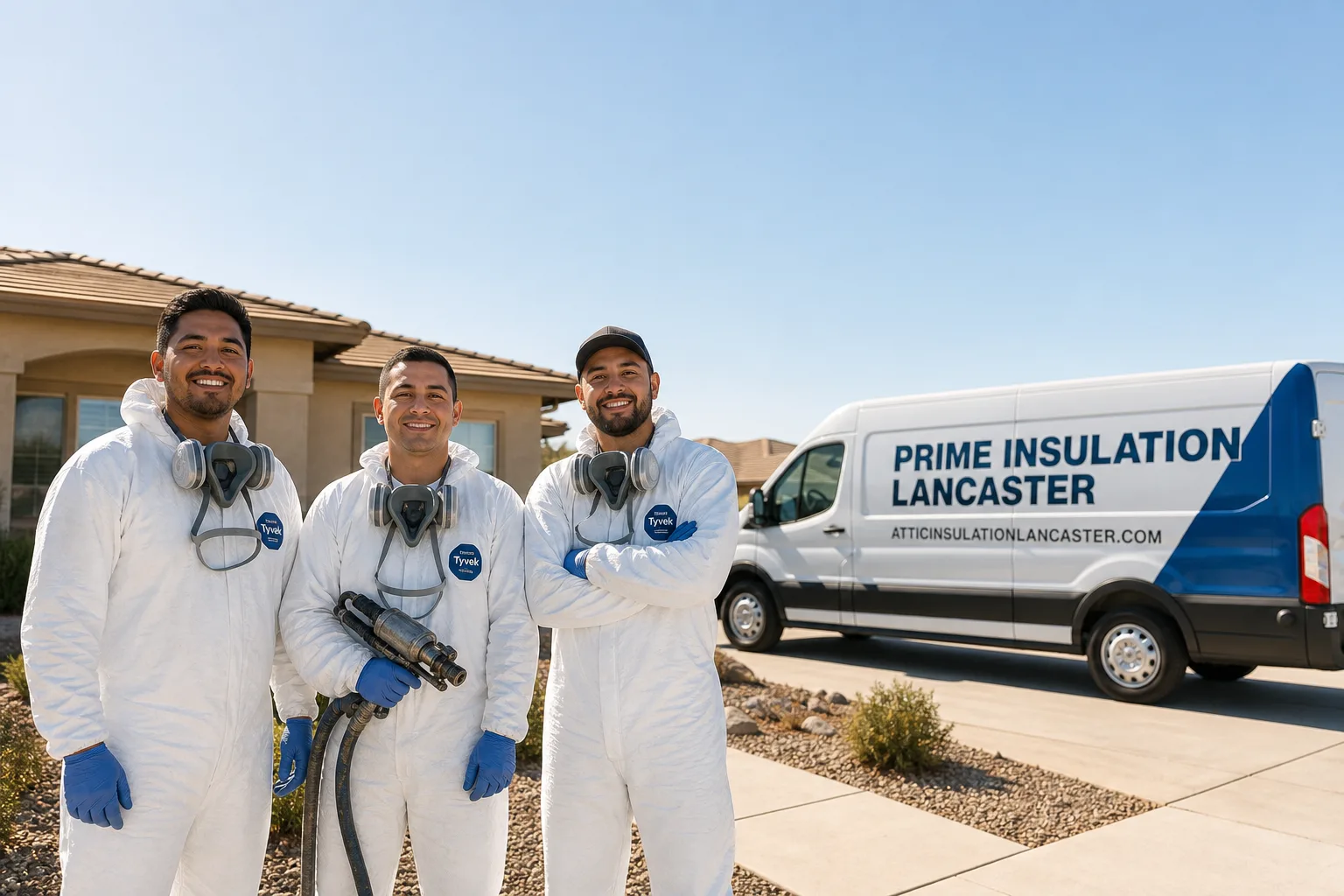
Fast, Reliable Attic Insulation Across Elizabeth Lake
Attic insulation in Elizabeth Lake isn’t a luxury upgrade. It’s the difference between a house that holds heat in January and one that bleeds propane through the roof deck every time the temperature drops below freezing. At Prime Insulation Lancaster, we’ve spent years working inside the attics, crawl spaces, and wall cavities of Elizabeth Lake’s older cabins, A-frames, and ranch homes, and we also handle Reflectix repair in Elizabeth Lake. We know what these structures look like from the inside. Most were built between the 1950s and 1980s as weekend retreats. They were never insulated for year-round living at 3,000 feet, and it shows in every heating bill, every frozen pipe, and every room that won’t hold a steady temperature. Call (661) 545-6966 and we’ll send someone who actually understands the thermal reality of this valley.
Why Prime Insulation Lancaster Is Elizabeth Lake’s Preferred Attic Insulation Company
Noel Estrada founded Prime Insulation Lancaster with a simple operating rule: the person who quotes the job is the person who does the job. When you call us for attic insulation in Elizabeth Lake, Noel handles the assessment personally. He walks the attic, checks the roof pitch, measures existing cavity depth, and tells you exactly what’s needed. No sales rep. No subcontractor handoff. The same hands that write the estimate run the blower hose or roll the batts.
Elizabeth Lake homeowners have come to trust that model because it means accountability is built in. If a baffle goes in wrong or an air gap gets missed, there’s no phone tree to navigate. The owner is on site, fixing it. We’ve built our reputation across the Antelope Valley on this directness, and Elizabeth Lake’s older housing stock rewards it. These aren’t tract homes with predictable framing. Every A-frame has quirks. Every 1970s ranch has a hidden knee wall or a shallow-pitched section that fights standard installation. Our Attic Insulation team approaches each one as its own diagnostic puzzle, not a template job.
Response time matters here too. We dispatch from Lancaster, which puts us within 20-25 minutes of most Elizabeth Lake addresses. When you call about a drafty attic in January or condensation staining in March, we can typically schedule an assessment within the week, often sooner.
Our Attic Insulation Services in Elizabeth Lake
Every service we offer is tailored to the specific failures this mountain valley produces. Here’s what we do most often for Elizabeth Lake homes.
Blown-In Attic Insulation
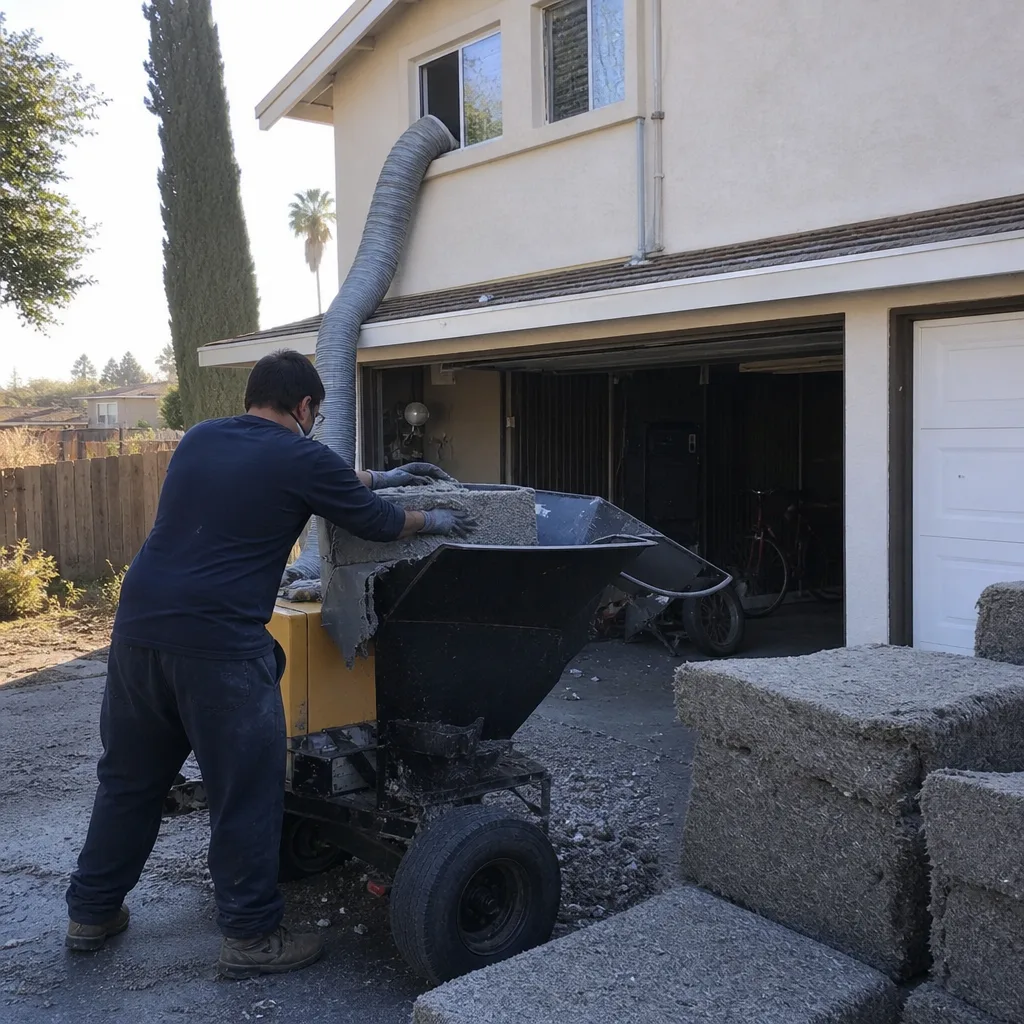
Blown-in fiberglass and cellulose are the workhorses for Elizabeth Lake cabins with open attics and accessible floor joists. We routinely remove old, compressed material and blow fresh insulation to R-38 or R-49 depth, depending on the home’s heating system and the attic’s ventilation design. In a 1,200-square-foot ranch on the west side of the lake, that typically translates to a measurable drop in winter propane consumption within the first month. We use Owens Corning AttiCat and GreenFiber cellulose, matched to the specific attic conditions we find during the initial audit.
Attic Batt Insulation
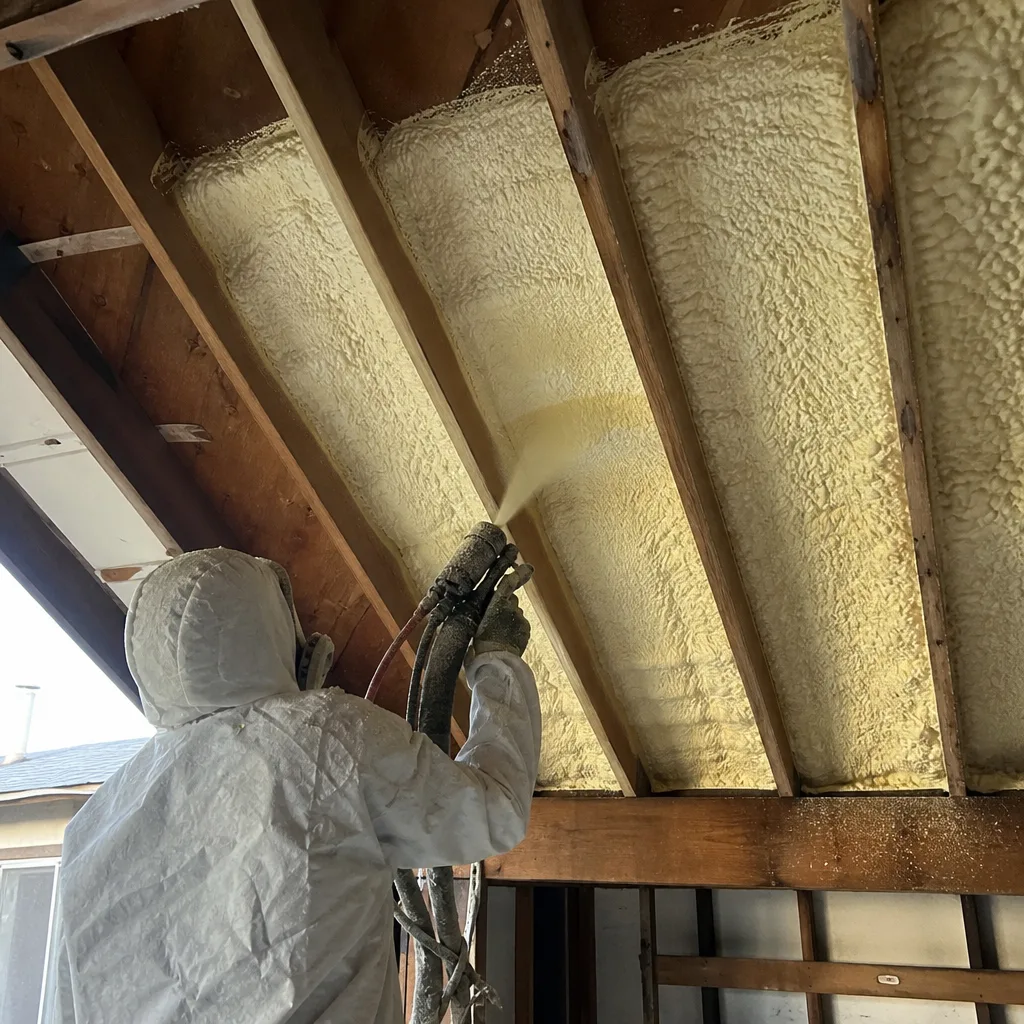
Batt insulation still makes sense in certain Elizabeth Lake attics, particularly those with standard-rafter construction and full-height access. We install Johns Manville and Knauf batts in attics where blown-in would struggle to stay in place, such as steep-pitched sections or areas with frequent roof maintenance traffic. Batts also work well in knee walls and attic sidewalls, which are common in the A-frame and modified A-frame cabins clustered around Upper Lake Road and Lake Hughes Road.
Attic Insulation Top-Up
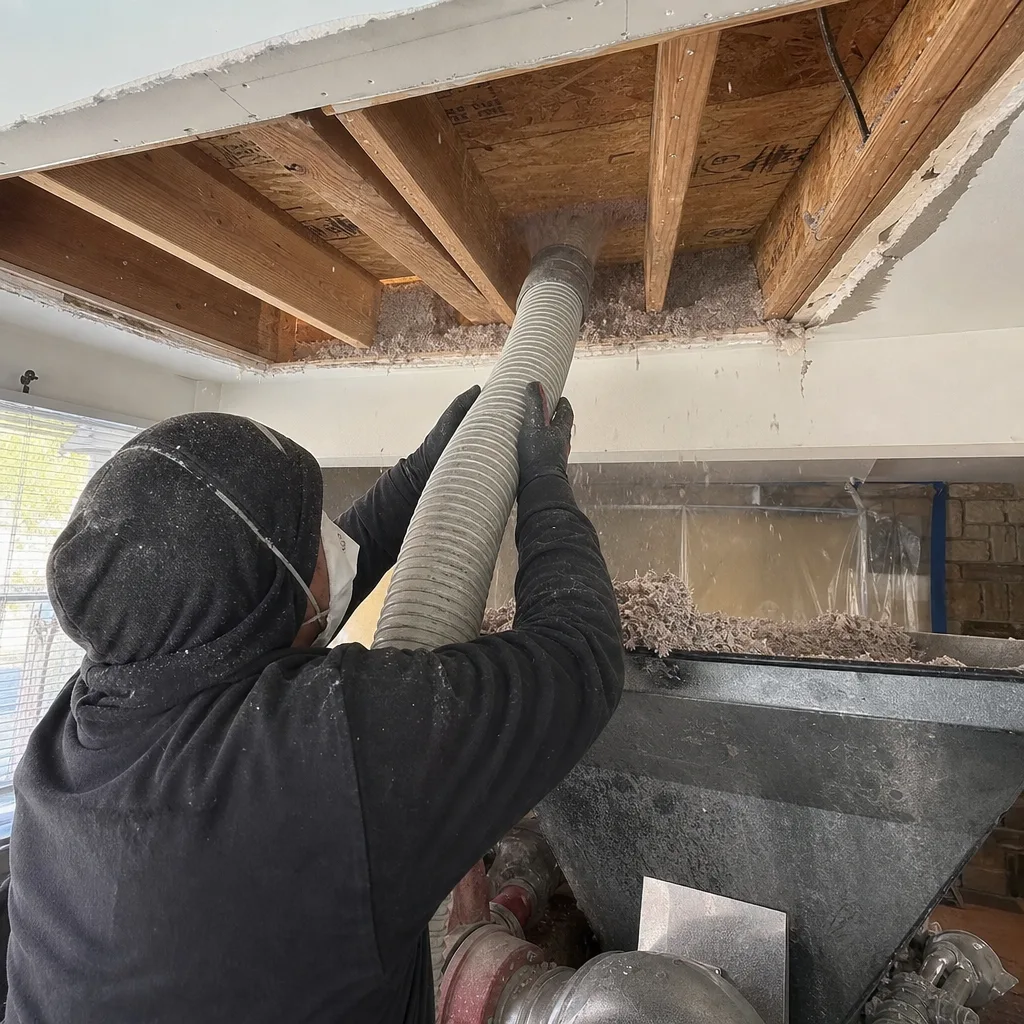
Many Elizabeth Lake homes have *some* insulation. It’s just not enough. Older fiberglass batts compressed to R-11 or R-19 sit in attics across this valley, doing maybe half their original job after decades of dust, rodent traffic, and moisture exposure. A top-up brings those attics to current code levels without a full removal. We inspect the existing material first. If it’s dry, intact, and not contaminated, we blow directly over it. If it’s moldy, saturated, or full of rodent droppings, we recommend removal first. We won’t bury a problem under fresh material.
Attic Insulation Replacement
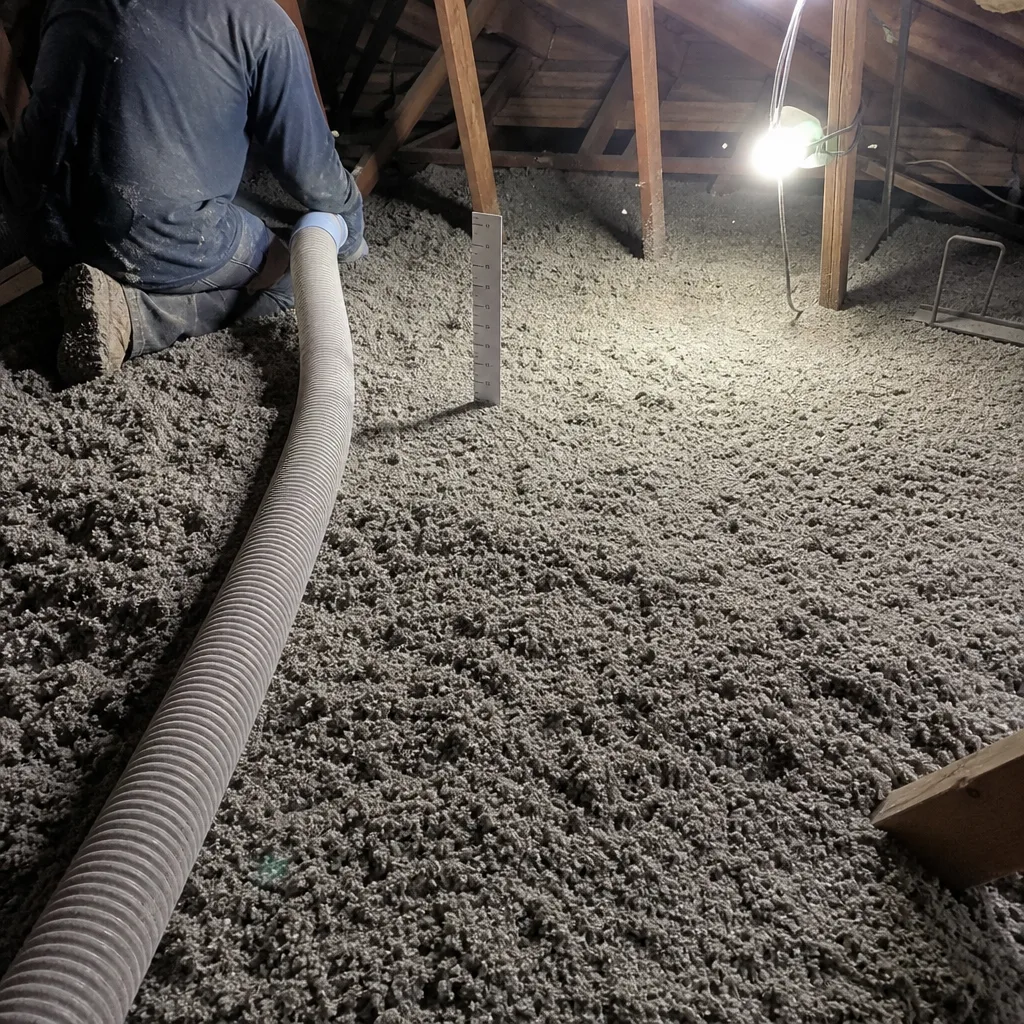
Replacement is the right call when the existing insulation has failed. We see this constantly in Elizabeth Lake cabins that were insulated decades ago with thin batts that have since been water-stained by condensation, chewed through by rodents, or packed down by decades of heat cycling. Full replacement means extracting everything down to the deck, air sealing the attic floor, addressing any baffle or ventilation deficiencies, and installing new material at the correct depth. It’s invasive work, but for a home that’s now lived in full-time where it used to be a summer cabin, it’s the only solution that actually fixes the problem.
What happens when you call
- 1
A real person answersNo phone trees — you reach a local pro.
- 2
You get an upfront price rangeHonest numbers before anyone is dispatched.
- 3
A background-checked tech heads outLicensed & insured, dispatched right away.
- 4
You approve before work beginsNothing starts until you say go.
Trusted Brands We Service in Elizabeth Lake
We install products from eight manufacturers because no single material solves every Elizabeth Lake attic. Owens Corning fiberglass handles the bulk of our blown-in work. GreenFiber cellulose goes into attics where air movement is a problem and we need a denser pack. Johns Manville batts fit the standard-rafter sections. And Knauf products fill attic sidewalls and knee walls. We keep these materials stocked for Elizabeth Lake jobs, which means we’re not waiting on a distributor when a homeowner needs a top-up before the next cold snap. The owner installs it, not a crew you’ve never met.
Common Attic Insulation Problems We See in Elizabeth Lake Homes
- Zero existing insulation in legacy cabins. Last winter our crew was called to a 1970s A-frame on Upper Lake Road after the owners returned to find frozen pipes and a propane bill triple the prior month’s. The attic had zero insulation, just open rafters with daylight visible at the eaves. Warm air from the forced-air heater was condensing against the cold roof deck. We air-sealed the rim joists, installed baffles in every bay, and blew in 18 inches of Owens Corning AttiCat fiberglass. The next cold snap, the pipes held and the heater cycled half as often.
- Shallow-pitched roofs that can’t hold enough insulation. Many original A-frame and cabin roofs in Elizabeth Lake were framed for looks and seasonal use, not thermal performance. The cavity depth between ceiling and roof deck is often too shallow for code-minimum insulation. This requires creative solutions: tapered batts, dense-pack cellulose, or exterior rigid foam where the roof is being resurfaced anyway.
- Moisture trapped in vaulted ceiling cavities. Vaulted ceilings in 1950s-80s cabins often have no venting or baffles. Hot summer air gets trapped in the attic and superheats the living space below. In winter, condensation forms on the underside of the cold roof sheathing and drips back down as water stains on the ceiling. The fix is baffles in every bay plus sealed soffit vents, before any new insulation goes in.
- Freeze-thaw cycling in unoccupied winter homes. Many Elizabeth Lake properties sit unoccupied and unheated for weeks at a time in winter, then get heated rapidly on arrival weekends. Frost that formed in uninsulated attic cavities during the cold spell melts when the heat comes on, and the water drips down through the ceiling. Homeowners think they have a roof leak. What they actually have is an insulation and air-sealing problem.
Pricing for Attic Insulation in Elizabeth Lake, CA
Attic insulation pricing in Elizabeth Lake runs on a different curve than lower Antelope Valley cities. The labor is similar, but the prep work isn’t. Here are real ranges we’ve quoted on recent Elizabeth Lake jobs:
- Attic insulation top-up (existing material in fair condition): $1,200 to $2,800 for a typical 1,000-1,500 sq ft attic.
- Complete blown-in installation (empty attic): $2,400 to $5,500 depending on depth, access, and prep requirements.
- Attic insulation removal and replacement: $3,500 to $7,000+, driven by contamination level, access difficulty, and whether baffle retrofit is needed.
- Attic baffles and ventilation prep (standalone): $800 to $2,200 for most Elizabeth Lake roof configurations.
What moves the number is almost always the attic’s condition before we start. A clean, empty attic with good access is fast. A 1960s cabin with raccoon droppings, compressed fiberglass, and no baffles is a different job entirely. That’s why our quotes are always based on an on-site assessment, never a phone estimate. Estimates are free. Call (661) 545-6966 and Noel will walk the space with you and give you a real number.
We Also Serve Cities Near Elizabeth Lake
Prime Insulation Lancaster works across the Antelope Valley and the surrounding mountain communities. If you’re searching for Attic Insulation in Elizabeth Lake, we’re your local option, but we also serve Lancaster, Quartz Hill, Leona Valley, and Acton. Many of our Elizabeth Lake customers find us through word of mouth from neighbors in Leona Valley or Acton who faced the same winter problems.
Serving Elizabeth Lake, CA — Our Local Coverage Area
We’re based in the Elizabeth Lake area and know this community well. Use the map below to see our service coverage — if you’re nearby, we can almost certainly help.
FAQs — Attic Insulation in Elizabeth Lake
Most Elizabeth Lake cabins were built as weekend retreats between the 1950s and 1980s, when insulation wasn’t required and nobody expected to live there through January. That means zero or near-zero attic insulation in a huge portion of this housing stock. For a home heated by propane, the result is a heating bill that runs two to three times higher than it should, plus rooms that never reach a stable temperature. Upgrading to R-38 or R-49 blown-in insulation typically cuts winter heating costs by 30-40% in these homes. Call (661) 545-6966 and we’ll assess what’s actually in your attic right now.
Yes, but it takes planning. Shallow-pitched A-frame roofs often don’t have enough cavity depth for standard R-38 batts without blocking the baffle ventilation channels. The solution is usually dense-pack cellulose or a combination of baffles, air sealing, and the deepest material that fits while preserving airflow from soffit to ridge. We’ve done this successfully on dozens of Elizabeth Lake A-frames. The key is addressing the venting first, which is why baffle and ventilation prep is bundled into most of our A-frame quotes.
Elizabeth Lake sits in a high-desert valley, but the lake itself and the 30-degree diurnal swings change the calculus. Warm daytime air holds moisture, and when temperatures drop at night, that moisture condenses on the coldest surfaces in your attic. Without proper air sealing, moist indoor air from showers, cooking, and even breathing migrates into the attic and condenses on the roof sheathing. The insulation absorbs it and feels damp. The fix is air sealing before insulation, plus proper ventilation so moisture can escape. This is a problem we address on nearly every Elizabeth Lake job.
The right upgrade starts with an audit of what’s already there. For a ranch house built as a summer cabin, the typical scenario is thin fiberglass batts in the attic floor, no air sealing, and no baffles. We recommend a full assessment, then a targeted plan: air seal the attic floor, install baffles in every rafter bay, remove any contaminated or compressed material, and blow in cellulose or fiberglass to R-49 where the attic allows it. That sequence addresses the actual heat loss paths, not just the symptom. It’s the approach we use on every Elizabeth Lake ranch retrofit.
The lake adds localized humidity that lower desert cities don’t experience. In a place like Lancaster, the dominant moisture vector is indoor humidity from showers and cooking. In Elizabeth Lake, that’s compounded by lake-effect moisture in the air itself, especially during the fall and winter months when the water stays warmer than the surrounding air. That means vapor barriers and ventilation design have to be more deliberate. We use a diagnostic-first approach, checking the attic’s moisture history before recommending a vapor-retarder strategy. It’s one reason our Attic Insulation work in this valley always starts with an assessment, not a quote over the phone.
Written by Noel Estrada, Owner and Lead Installer at Prime Insulation Lancaster, serving Elizabeth Lake and the surrounding Antelope Valley.
Ready to fix the attic in your Elizabeth Lake home? Call (661) 545-6966 for a free on-site estimate. Noel will walk the space with you and tell you exactly what’s needed, what it costs, and what you can expect when the work is done.